
Deciding whether to buy or rent a home is one of the most important financial decisions you can make. With changing housing costs, mortgage rates, and rental prices, the rent vs buy California debate continues to be an important consideration for individuals and families planning their next move.
For anyone considering buying vs renting a home in California in 2026, the right decision depends on financial readiness, lifestyle preferences, local housing market conditions, and long-term goals.
Buying a home can provide stability, greater control over your living space, and opportunities to build equity. Renting, on the other hand, can offer flexibility, lower upfront costs, and fewer direct responsibilities associated with property ownership.
In competitive housing markets such as Los Angeles County and the South Bay, understanding the true cost of renting vs buying a home is especially important.
At eXp Realty, we believe successful real estate decisions begin with understanding your needs, evaluating your opportunities, and planning confidently for the future.
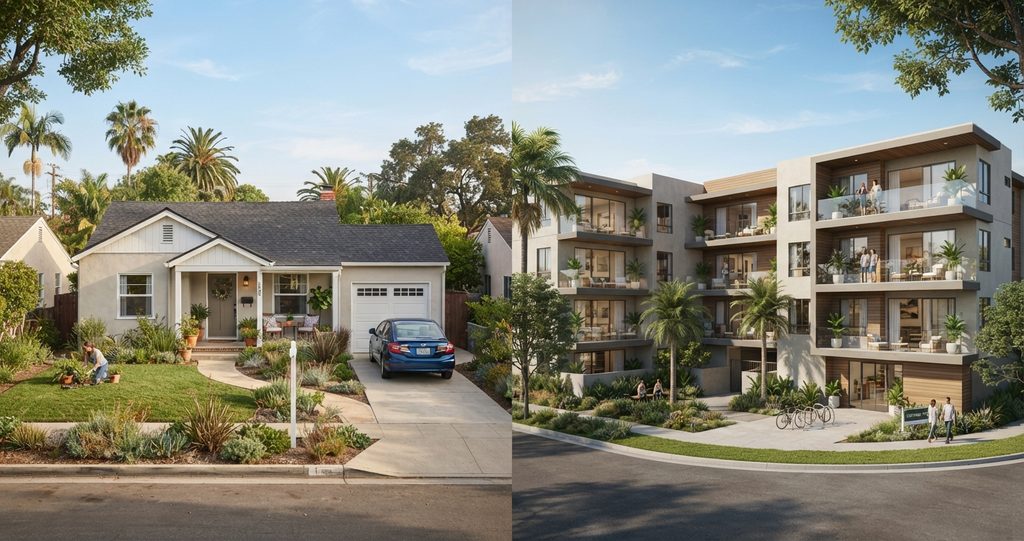
1. Understanding the Benefits of Buying Property
Buying a property can be a valuable long-term investment for individuals and families looking to establish stability and potentially build wealth over time.
For those asking, “Is buying a house worth it in California?”, it is important to consider the advantages of ownership alongside the financial commitments involved.
Build Long-Term Equity
One of the biggest advantages of homeownership is the opportunity to build equity.
When you purchase a property with a mortgage, a portion of your monthly payment typically goes toward reducing your loan principal. Over time, this can increase your ownership stake in the property.
If the home’s market value rises, your equity may increase further. However, property values can also decline, and mortgage interest, taxes, insurance, and maintenance expenses affect the overall financial outcome.
Unlike rent payments, which do not create ownership equity for the tenant, mortgage principal payments gradually reduce the amount owed on the property.
For California buyers planning to remain in their homes long-term, equity building can be an important consideration.
Greater Stability and Control
Homeownership can offer greater residential stability and control over your living environment.
Owners generally have more freedom to renovate, personalize, and improve their properties, subject to applicable laws, permit requirements, and homeowners association rules.
Owning a home with a fixed-rate mortgage can also provide greater predictability for the principal and interest portion of monthly payments, although property taxes, insurance, maintenance, and other costs may change.
For households planning to settle in Los Angeles County or another Southern California community, this stability may be especially appealing.
Potential for Long-Term Appreciation
California real estate has experienced periods of substantial appreciation, although results vary considerably by neighborhood and market cycle.
Properties in areas with strong housing demand, employment opportunities, desirable amenities, and infrastructure may experience long-term value growth.
However, appreciation is never guaranteed.
When evaluating whether to rent or buy a house in California, consider the property’s location, purchase price, ownership expenses, and how long you intend to keep it.
A well-informed purchase should support your financial circumstances rather than depend entirely on expectations of future price increases.
2. Why Renting Can Be the Smarter Option
Renting is not simply an alternative to buying. For many people, it is a practical financial and lifestyle decision.
In California, where home prices and borrowing costs can make purchasing challenging, renting may offer meaningful advantages.
Greater Financial Flexibility
Renting generally requires less upfront capital than purchasing a home.
Home buyers may need funds for a down payment, closing costs, inspections, moving expenses, and future maintenance. Renters typically face a different set of initial expenses, including applicable security deposits and moving costs.
For individuals comparing mortgage vs rent California expenses, the difference in upfront financial commitments can be significant.
Renting may allow you to preserve savings for emergencies, retirement, investments, or a future home purchase.
However, any financial advantage depends on how much you save, how you use those savings, and changes in rental costs.
Easier to Relocate
If your career, education, or personal circumstances require frequent moves, renting can provide greater flexibility.
A rental arrangement may allow you to explore different California neighborhoods before making a long-term commitment.
For example, someone considering a move within Los Angeles County may prefer renting while evaluating commute times, neighborhood amenities, and housing affordability.
Buying and selling property involves transaction costs and market risks, which can make ownership less attractive for people expecting to relocate within a short period.
Renting may be the more practical choice when flexibility is a priority.
Fewer Ownership Responsibilities
Homeowners are generally responsible for maintaining their properties, arranging repairs, and budgeting for unexpected expenses.
Renters may have fewer direct maintenance responsibilities because landlords are responsible for many property repairs and habitability requirements under California law.
However, renters should review their lease carefully to understand their responsibilities for utilities, upkeep, and other permitted charges.
For individuals who prefer predictable housing arrangements without managing major repairs, renting may offer convenience.

3. Buying vs. Renting: Key Differences
Understanding the financial and lifestyle differences between buying and renting can help you decide which option fits your goals.
If you are comparing renting vs buying a house in California, consider the following factors:
| Factor | Buying | Renting |
|---|---|---|
| Initial cost | Usually higher due to down payment and closing costs | Generally lower upfront expenses |
| Monthly expenses | Mortgage, property taxes, insurance, maintenance, and possible HOA fees | Rent, utilities, and applicable lease expenses |
| Flexibility | Generally lower due to selling costs and ownership commitments | Generally higher, subject to lease terms |
| Equity building | Opportunity to build ownership equity | Rent payments do not build ownership equity |
| Maintenance | Primarily the homeowner’s responsibility | Many major repairs are the landlord’s responsibility |
| Long-term potential | Possible appreciation and equity growth, with market risk | Opportunity to save or invest money not used for ownership |
| Housing stability | Greater control over continued occupancy, subject to financial obligations | Continued occupancy depends on lease terms and applicable tenant protections |
| Financial risk | Exposure to property-value changes and unexpected ownership expenses | Exposure to possible rent increases and changes in rental arrangements |
Neither option is automatically better.
The best decision depends on your income, savings, housing needs, expected length of residence, and local property prices.
For California residents, evaluating the complete financial picture is more useful than comparing rent with the mortgage payment alone.
4. Consider Your Financial Situation
Your financial readiness should play a major role in deciding whether to buy or rent.
Before purchasing a home, consider the down payment, mortgage payments, closing costs, property taxes, homeowners insurance, maintenance, and emergency expenses.
You should also understand how current mortgage rates affect your monthly payment and overall borrowing costs.
When researching California housing affordability in 2026, remember that the advertised purchase price is only one part of the total cost of homeownership.
A home with a manageable mortgage payment may still become financially challenging when insurance, taxes, repairs, and other expenses are included.
If renting, consider monthly rent, potential increases, utilities, deposits, and other lease-related costs.
A useful rent vs buy calculator can help estimate the long-term financial differences between renting and purchasing a comparable property.
For a more meaningful comparison, evaluate:
- Your available savings and emergency reserves.
- Monthly income and existing debt obligations.
- Mortgage interest rates and financing terms.
- Down payment and closing costs.
- Property taxes, insurance, HOA fees, and maintenance.
- Current rent and possible future increases.
- How long you expect to remain in the home.
- Potential investment returns on savings not used for a purchase.
First-time buyers may also want to research California first time home buyer programs, including eligible financing and down payment assistance options offered through CalHFA and local housing agencies.
These programs can sometimes reduce the upfront cash required to purchase, although eligibility, funding, and repayment requirements vary.
The goal is to choose a housing arrangement that supports your finances without creating unnecessary pressure.
5. Think About Your Lifestyle and Future Plans
Your personal circumstances matter just as much as financial calculations.
Buying may be suitable if you have stable income, sufficient savings, and plans to remain in the same area for several years.
It may also appeal to people who value homeownership, want greater control over their living space, or prefer to establish long-term roots in a community.
Renting may be more suitable if you are early in your career, expect to relocate, are exploring different neighborhoods, or prefer fewer property maintenance responsibilities.
When considering whether to buy or rent in California, ask yourself:
- Do I expect to stay in this area for at least the next three to five years?
- Is my income stable enough to manage homeownership expenses?
- Would purchasing a home leave me with adequate emergency savings?
- Do I value flexibility more than long-term residential stability?
- Am I comfortable handling maintenance and unexpected repairs?
- Would renting allow me to pursue other important financial goals?
There is no universal minimum number of years that makes buying worthwhile. The break-even point depends on financing costs, transaction expenses, market conditions, and individual circumstances.
Understanding how your housing needs may change over time can help you make a decision that remains practical beyond the present moment.
6. Evaluate the Local Real Estate Market
Local housing market conditions can significantly influence whether buying or renting makes more financial sense.
For individuals comparing rent vs buy Los Angeles options, home prices, rental rates, mortgage costs, property taxes, and neighborhood demand can vary substantially.
The same is true across the South Bay and other Southern California communities.
A comparison should focus on similar properties in the same general location rather than comparing the rent of a small apartment with the ownership cost of a larger detached home.
Research recent comparable home sales, rental listings, available inventory, and financing costs.
Consider how these factors affect your total monthly and long-term expenses.
For example, if purchasing a comparable home requires substantially higher monthly spending than renting, continuing to rent while building savings may be a reasonable strategy.
If the total cost of ownership is manageable and you plan to remain in the property for many years, buying may become more attractive.
California’s housing affordability challenges also make it important to distinguish between the ability to qualify for a mortgage and the ability to comfortably sustain homeownership.
When considering buying vs renting in California in 2026, avoid relying solely on predictions about mortgage rates or future home prices.
Market conditions change, and forecasts cannot guarantee the best time to purchase.
Instead, base your decision on current property information, realistic financing estimates, and your long-term financial goals.
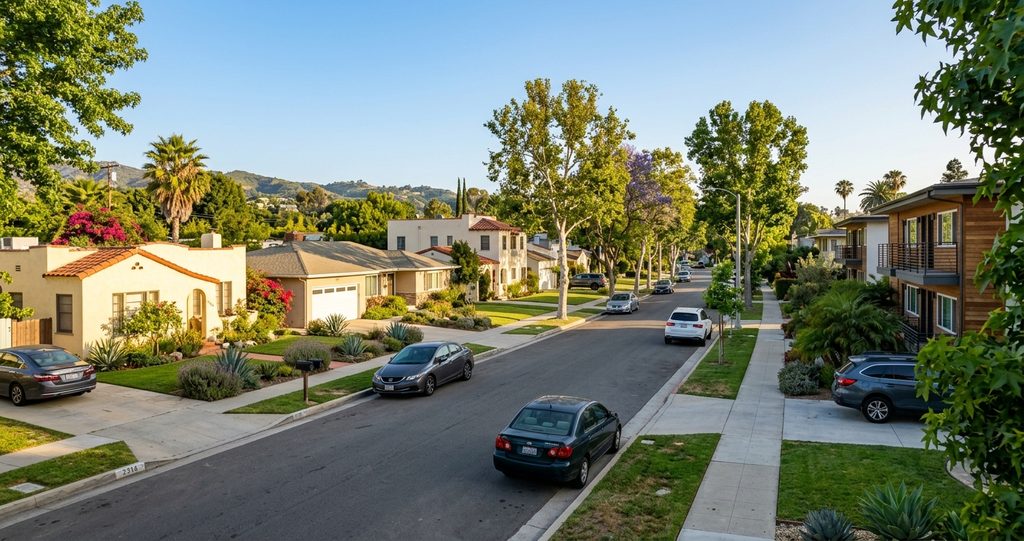
7. So, Which Is the Better Choice?
The answer depends on what matters most to you.
Buying may be the better choice if you:
- Want long-term housing stability.
- Have sufficient savings and reliable income.
- Plan to stay in one location for several years.
- Are comfortable managing maintenance and ownership costs.
- Want the opportunity to build equity over time.
- Have reviewed the full costs of purchasing and owning a home.
- Are financially prepared for unexpected expenses.
Renting may be the better choice if you:
- Need flexibility to relocate.
- Prefer lower upfront housing costs.
- Want to preserve savings for other financial goals.
- Are uncertain about your long-term plans.
- Prefer fewer direct property maintenance responsibilities.
- Are not yet comfortable with current home prices or financing costs.
- Want additional time to prepare for a future home purchase.
If you are wondering, “Should I buy or rent a house in 2026?”, the answer should come from your personal financial position rather than market headlines alone.
A qualified real estate professional can help you understand local property options, while a mortgage lender or financial advisor can help you evaluate financing and affordability.
The goal is not to choose the option that works for everyone. It is to choose the one that works best for your circumstances.

Conclusion: Make the Choice That Moves You Forward
Buying and renting both have meaningful advantages.
Buying can offer long-term stability, greater control over your home, and the potential to build equity. Renting can provide flexibility, lower upfront financial commitments, and opportunities to preserve savings for other priorities.
For California residents, the rent vs buy decision requires careful consideration of housing prices, financing costs, rental expenses, and future plans.
Whether you are exploring homeownership in Los Angeles County, the South Bay, or another Southern California community, understanding your options can help you move forward with confidence.
At eXp Realty, we believe real estate is more than property. It is about making informed decisions, recognizing opportunities, and building a future that aligns with your goals.
Thinking about buying a home or exploring your options in today’s California real estate market?
Connect with Gloria Godet for experienced real estate guidance and insight into the local housing market.
Gloria Godet | REALTOR® Consultant
eXp Realty
Phone: (310) 962-4453
Email: gloria.godet@exprealty.com
DRE #: 01014764
Experience You Can Trust. Service You Can Count On.